The Many Uses Of HVAC Rope: A Practical Guide
HVAC rope is a versatile tool that serves multiple purposes in the heating, ventilation, and air conditioning industry From securing ductwork to lifting heavy equipment, HVAC rope is an essential accessory for HVAC technicians In this article, we will discuss the various uses of HVAC rope and provide a practical guide on how to use it effectively.
One of the primary uses of HVAC rope is for securing ductwork in place Ductwork is the system of ducts used to distribute air from heating, ventilation, and air conditioning systems throughout a building Properly securing ductwork is essential to ensure that it functions efficiently and does not become loose or detached HVAC rope is often used to tie down and secure ductwork in place, preventing it from shifting or moving during operation This helps to maintain the integrity of the HVAC system and ensures optimal performance.
In addition to securing ductwork, HVAC rope is also commonly used for lifting heavy equipment, such as air conditioning units HVAC technicians often need to lift heavy equipment to install or repair HVAC systems HVAC rope can be used to create makeshift slings or harnesses to safely lift and transport heavy equipment By securely attaching the rope to the equipment and using proper lifting techniques, HVAC technicians can safely move heavy objects without risk of injury or damage.
Another common use of HVAC rope is for pulling and positioning cables and wiring HVAC systems often require intricate wiring and cabling to connect various components and controls HVAC rope can be used to pull and position cables in hard-to-reach areas, ensuring that the wiring is properly installed and connected This helps to streamline the installation process and ensures that the HVAC system operates smoothly and efficiently.
HVAC rope is also useful for securing tools and equipment while working on HVAC systems hvac rope. HVAC technicians often work in tight or elevated spaces where dropping tools or equipment can be dangerous By attaching tools to HVAC rope or creating tool lanyards, technicians can secure their equipment and prevent accidents This helps to maintain a safe work environment and protects both technicians and the equipment they are working with.
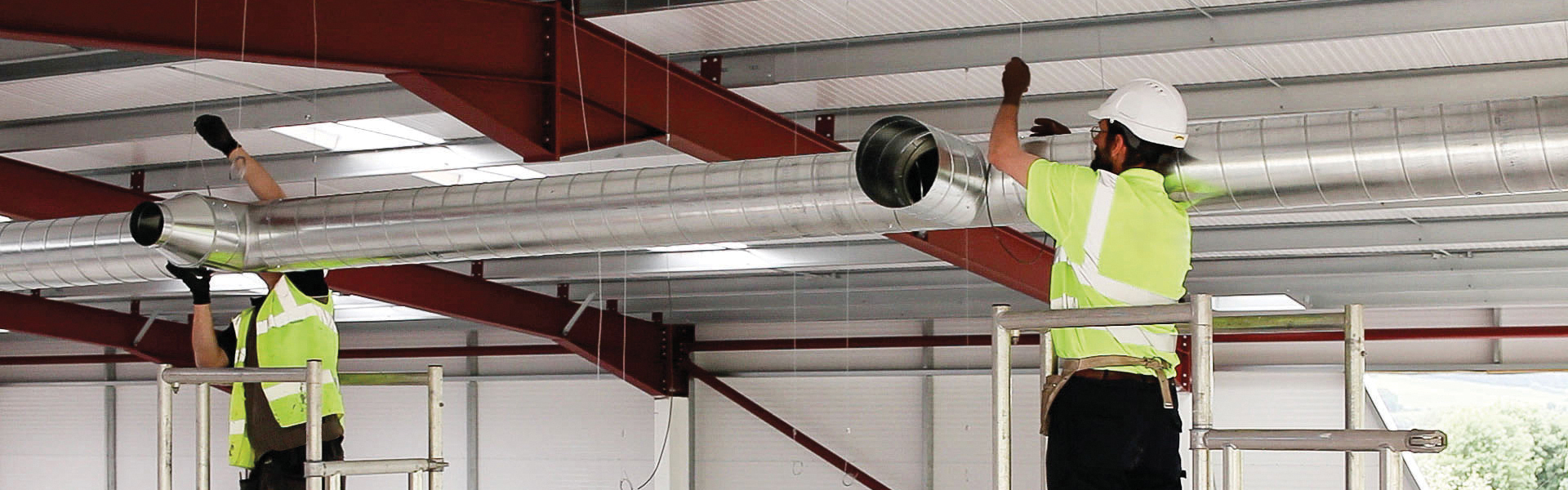
When working on rooftops or elevated areas, HVAC rope can be used as a safety line to prevent falls and accidents By properly securing the rope to a stable anchor point and wearing a safety harness, HVAC technicians can work safely at heights without fear of injury This is especially important when working on commercial buildings or high-rise structures where falls can be fatal Using HVAC rope as a safety line ensures that technicians can work comfortably and confidently, knowing that they are protected.
In addition to its practical uses, HVAC rope is also a cost-effective accessory that is easy to use and maintain Most HVAC ropes are made from durable materials such as nylon or polypropylene, which are strong and resistant to wear and tear HVAC ropes are available in various lengths and thicknesses to accommodate different applications and load capacities With proper care and storage, HVAC rope can last for years and provide reliable support for a wide range of HVAC tasks.
In conclusion, HVAC rope is a versatile tool that serves multiple purposes in the heating, ventilation, and air conditioning industry From securing ductwork to lifting heavy equipment, HVAC rope is an essential accessory for HVAC technicians By understanding the various uses of HVAC rope and following proper safety guidelines, HVAC technicians can work more efficiently and safely Whether securing ductwork, lifting heavy equipment, or positioning cables, HVAC rope is a practical and reliable tool that every HVAC technician should have in their toolkit.